
01
Timber restoration
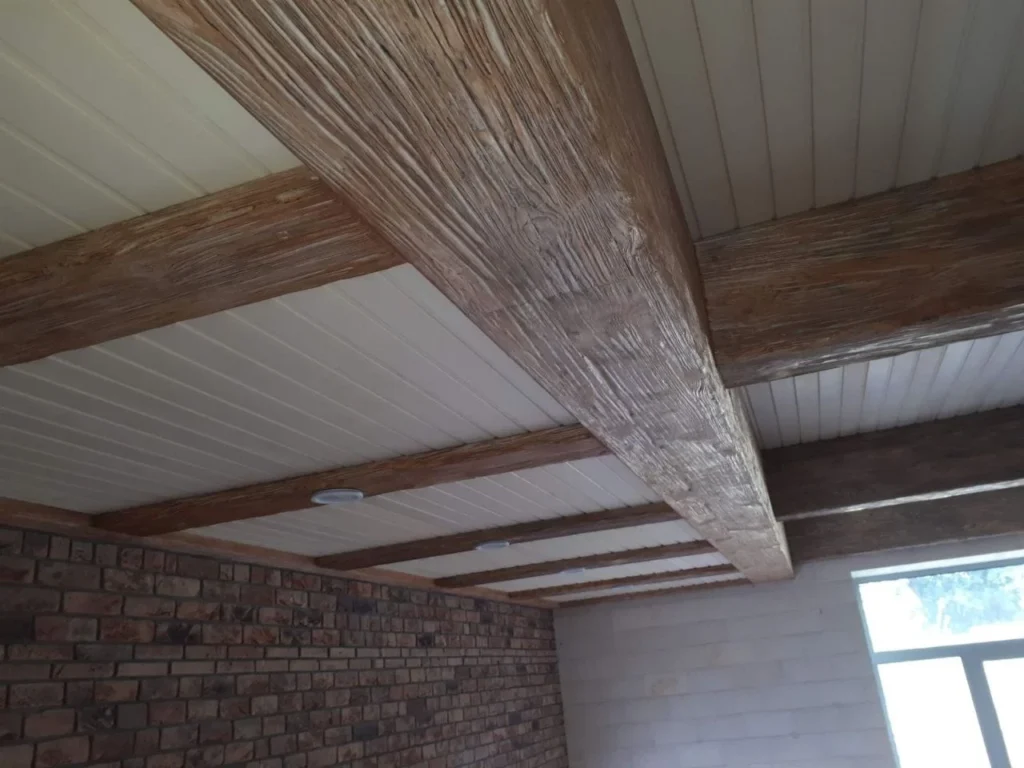
Staircases first, then sash windows, old doors, beams, floorboards and wooden furniture, repaired rather than replaced, with the damaged sections spliced out and the good timber kept.
in short
AltHome restores old timber in homes across Kerry, Cork and Limerick: staircases first, then sash windows, doors, beams, floorboards and wooden furniture. Rotten sections are cut out and spliced with new timber so the sound original wood is kept. Paint on pre 1980 joinery is tested for lead and never dry sanded. A set of sashes or a flight of stairs takes one to three weeks.
what decides it
Old timber is usually better than what would replace it
A hundred year old window frame is slow grown, dense, tight grained timber that modern fast grown softwood cannot match. That is why a sash window with two rotten sections is worth repairing and a five year old frame with the same damage often is not. So the first job is diagnosis. We probe the timber with a blade to find where sound wood ends, because rot travels further than the paint suggests. Wet rot is local, caused by water getting in at a joint or an end grain, and it stops when the water stops. Dry rot is a different animal: it spreads through masonry, it needs to be traced to its source and cut well past the visible damage, and anyone who patches over it without finding where the moisture comes from will be back. Woodworm is usually old and inactive, and fresh bore dust is the thing that tells you otherwise. Then the repair. Rotten sections are cut out square and spliced with new timber of the same species, scarfed and glued so the joint is mechanical rather than relying on filler. Resin repairs have their place for small, protected areas but they are not a substitute for a splice on a window cill that takes the weather. Sash windows get the boxes opened, cords and weights replaced, beads remade, glass reputtied and the whole thing rebalanced so it stays where you leave it. Stairs get loose treads wedged and glued from underneath, newels re fixed and squeaks traced to the actual joint rather than filled with talc. Floorboards get lifted, cupped boards turned or replaced from a hidden area, and the room sanded and finished.
Stairs, the job we do most
An old staircase is usually worth keeping, and it is the piece of joinery people notice first when they walk in. The common problems are all fixable: treads that creak because a wedge or glue block has worked loose underneath, a handrail that moves because the newel post has come away at its base, balusters that rattle or are missing, nosings worn round by a century of feet, and layers of paint hiding good pine or hardwood. We fix the structure from below before touching the surface, make missing balusters and replacement treads to match the originals, strip the old paint without dry sanding, and finish the treads in a coating that stands up to daily wear. Where spacing or handrail height falls short of what is safe for children, we tell you and show how it can be brought up without losing the character of the stairs.
Old paint, and how we take it off
Paint on anything predating the eighties may contain lead, and dry sanding it puts that into the air of the house. We do not do that. Old coatings come off with controlled heat below the temperature that releases fumes, with chemical strippers, or by taking the item off site where that is practical, and the dust and waste are contained and removed. It is slower than a sander and it is the difference between restoring a house and contaminating it.
Furniture, in our own workshop
We restore wooden furniture as well as the timber built into the house: dining tables, chairs, dressers, chests, desks and wardrobes. That work happens in our own workshop, where the piece can be taken apart properly rather than patched in place. Loose joints are cleaned out and reglued, and on older pieces we use a glue that a future restorer can still undo. Split tops are closed up, lifted veneer is laid back down, and missing mouldings, handles or legs are made to match. Old finishes are stripped by hand rather than dipped in a tank, because dipping soaks the joints and lifts veneer. The finish goes back to suit the piece and how it will be used: oil or wax where you want the grain to show and a repair to be easy, a harder lacquer on a table that sees daily meals, a traditional polish on an antique. The aim is a piece that looks cared for, not one that looks new.
the work
What is included in timber restoration?
- Probe every element to find where sound timber starts, and identify rot, damp or woodworm.
- Find and stop the water first, because timber only rots where water is getting in.
- Strip old coatings without dry sanding, and contain the waste.
- Splice in new timber of the same species, glued and pinned rather than filled.
- Overhaul sashes, cords, weights, beads and ironmongery so the window works again.
- Seal the end grain, prime, and finish in paint or oil so the repair lasts.
4 steps
How long does it take to restore sash windows or a staircase?
You get in touch
Send close photos of the worst areas and tell us roughly how old the house is. We answer the same day.
We come and look
We probe the timber, check where water is getting in, and tell you plainly what is worth saving and what is not. Then a written price item by item.
We repair it
On site where we can, in the workshop where the piece is better off coming out. Openings are made secure and weathertight while anything is away.
You sign it off
We work every window, door and stair with you, adjust what needs it, and tell you how to keep it right.
next door
What goes around it
Restoration work rarely stands alone in an old house. These usually come up in the same survey.
asked
Timber restoration: common questions
Is it cheaper to repair or replace my windows?
Repair usually costs less than replacing like for like in good timber, and keeps windows that are better made than most new ones. Against cheap replacements it can look dearer on paper, until you count that the repaired frame will still be there in forty years. We price both honestly and let you decide.
Can sash windows be draught proofed?
Yes, and it is the main complaint people have. Brush seals are routed into the staff and parting beads while the sashes are out, which cuts the draught and the rattle without changing how the window looks or stopping it from opening.
My house is a protected structure. Can you work on it?
Yes, and that is exactly where repair rather than replacement matters, since altering original fabric usually needs consent. We work to what the conservation officer requires, document what is done, and use materials that match what is already there.
Do you restore furniture as well?
Yes. Tables, chairs, dressers, chests and other wooden pieces are restored in our own workshop: joints reglued, damage repaired, missing parts made to match, and a finish chosen for how the piece will be used. Send us a photo of the piece and the problem, and we will tell you what it needs and roughly what it costs.
How do I know if timber has wet rot or dry rot?
Wet rot stays where the timber is wet, usually at a joint or the end grain, and feels soft and dark. Dry rot spreads beyond the wood through masonry, often with white or grey strands and a musty smell, and needs tracing to its moisture source. We probe the timber on the survey and tell you which it is before pricing.
Can old staircases be restored instead of replaced?
Usually. Loose balusters, worn treads, a creaking flight and a damaged handrail can all be repaired, and old hardwood stairs are often better timber than a new one would be. Replacement is only the answer where the strings themselves have failed.
quote
Get a fixed quote for timber restoration
Tell us the address and what needs looking at. We work across Kerry, Cork and Limerick. We ring you back within one working day.
085 220 1422 · info@althome.ie
Written by the AltHome crew. Last reviewed September 2026.